3 Dating Mistakes Christian Women Make When They're Afraid to Lose Him
Many Christian women enter relationships with genuine hope, prayer, and the desire to build something meaningful. But when the fear of losing someone becomes stronger than the desire for truth and clarity, it can lead to choices that compromise peace, boundaries, and discernment. The Bible encourages wisdom in relationships because the person you choose will influence your spiritual life, your future, and your calling.
5/8/20243 min read
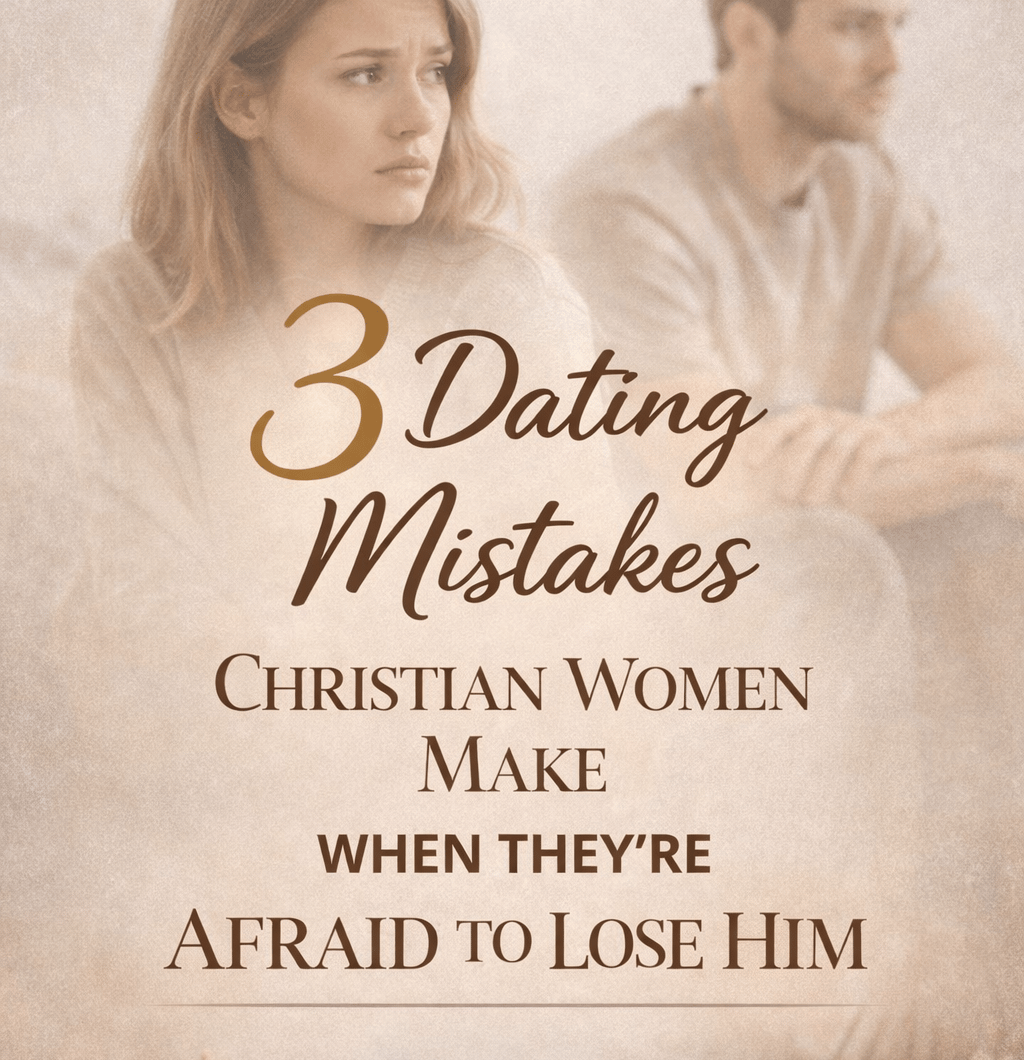

3 Dating Mistakes Christian Women Make When They're Afraid to Lose Him
“There is no fear in love. But perfect love drives out fear…” — 1 John 4:18
Fear can quietly shape the decisions we make in relationships.
Many Christian women enter relationships with genuine hope, prayer, and the desire to build something meaningful. But when the fear of losing someone becomes stronger than the desire for truth and clarity, it can lead to choices that compromise peace, boundaries, and discernment.
The Bible encourages wisdom in relationships because the person you choose will influence your spiritual life, your future, and your calling.
Here are three common dating mistakes Christian women sometimes make when they are afraid to lose a relationship.
1. Ignoring Red Flags
One of the most common mistakes is noticing warning signs but choosing to overlook them.
Red flags rarely appear suddenly. They usually show up in small patterns early in the relationship. These may include:
dishonesty
lack of accountability
disrespectful behavior
inconsistent communication
avoidance of spiritual growth
When emotions are strong, it can be tempting to explain away these behaviors or believe they will eventually change.
But discernment requires honesty. When patterns repeatedly appear, they deserve attention rather than dismissal.
Ignoring red flags often leads to deeper confusion later.
2. Compromising Personal or Spiritual Boundaries
Another mistake that often comes from fear is slowly lowering boundaries to keep the relationship.
This might look like:
accepting behavior you once said you wouldn’t tolerate
neglecting spiritual habits like prayer or church
staying silent when something feels wrong
moving the relationship forward faster than you feel comfortable
Healthy relationships respect boundaries. They should strengthen your faith rather than weaken it.
When someone pressures you to compromise your values in order to keep them, the relationship may not be aligned with God’s design.
A relationship that is meant for you should not require you to abandon the convictions that guide your life.
“Above all else, guard your heart, for everything you do flows from it.” — Proverbs 4:23
3. Rushing the Relationship Out of Fear
Fear of losing someone can also cause people to rush commitment.
Instead of allowing time for discernment, the relationship moves quickly because there is anxiety that the person might leave if things slow down.
But healthy relationships benefit from patience.
Time allows you to observe character, consistency, and spiritual maturity. It allows both people to see whether the relationship truly aligns with their values and long-term vision.
Rushing a relationship may feel exciting in the moment, but it can prevent the clarity needed to make wise decisions.
Discernment often requires space, reflection, and honest evaluation.
Conclusion
The fear of losing someone can make it difficult to see a relationship clearly.
But the goal of dating with marriage in mind is not simply to hold onto a relationship. The goal is to find a relationship that is healthy, aligned with your faith, and capable of building a strong future.
Sometimes the most loving decision you can make for yourself is to pause, step back, and evaluate the relationship honestly.
Clarity may take courage, but it protects your peace and your future.
Not Sure If You're Holding On for the Right Reasons?
Fear can make a relationship feel more important than it truly is.
If you're struggling to let go or unsure whether this relationship aligns with your future, take a step back and evaluate it from a long-term perspective.
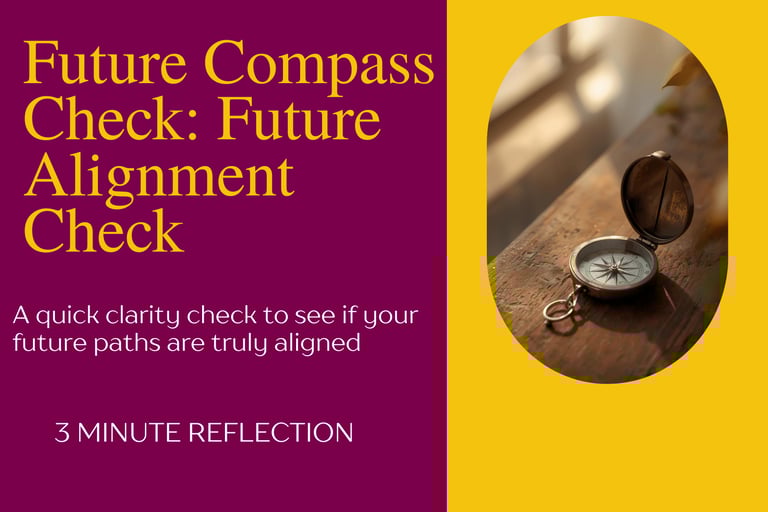
The Future Compass Check helps you assess whether your relationship is aligned with your values, your faith, and the future you are praying for.
Try the Future Alignment Check
If you already feel misalignment, the next step is deciding what to do.